Why Business Security Runs on a Different Clock Than Your Home
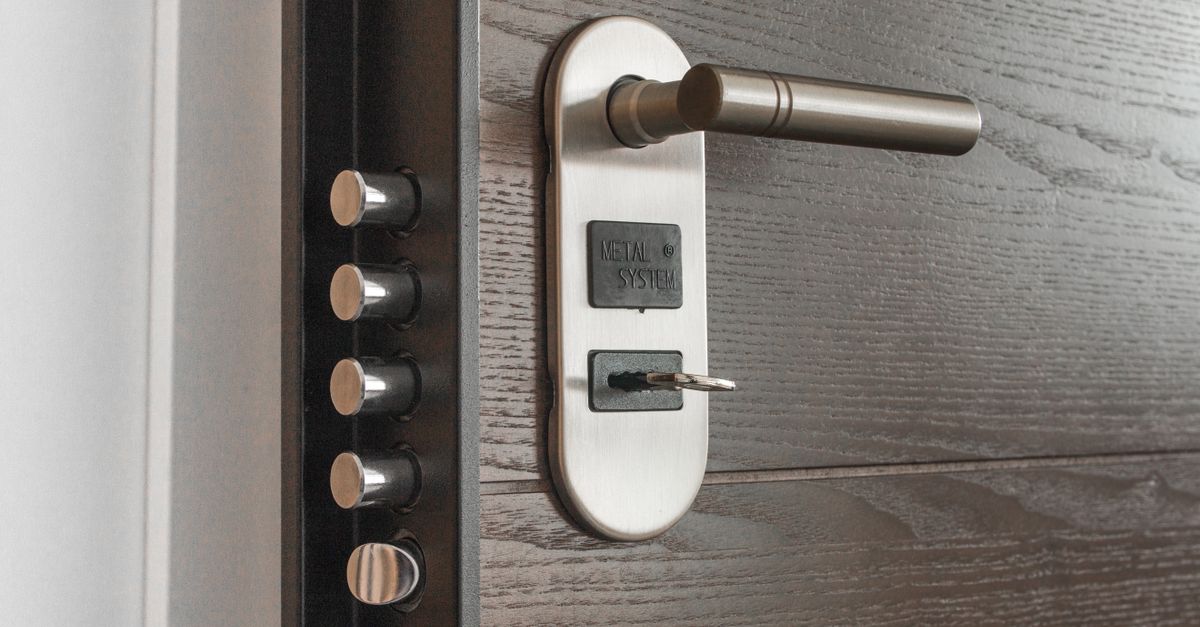
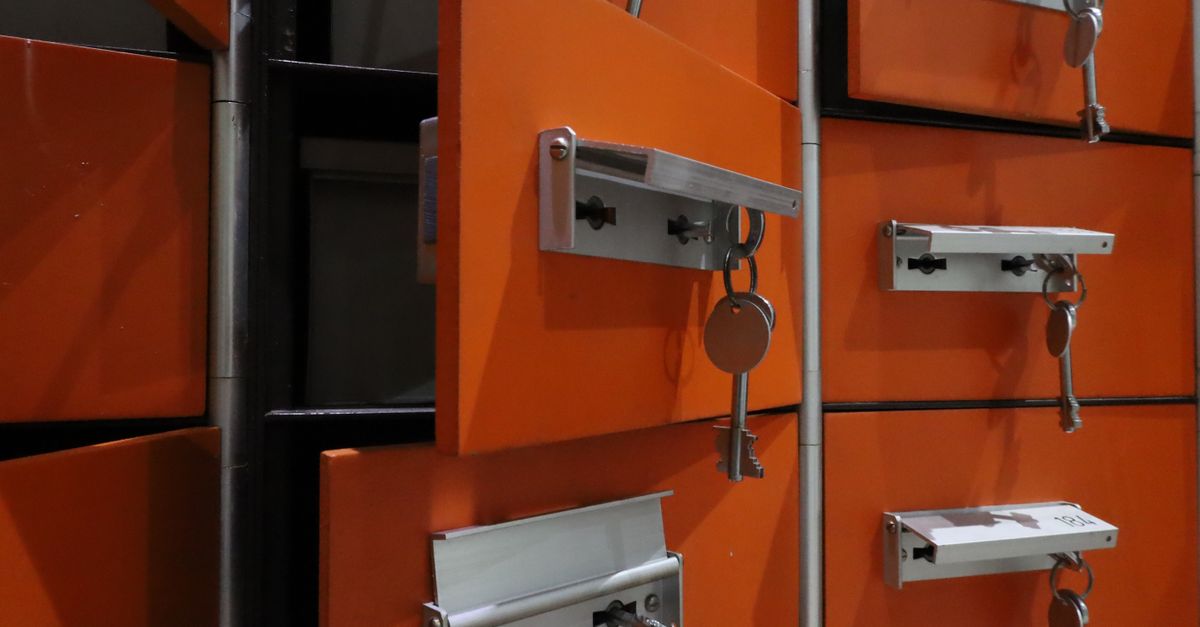
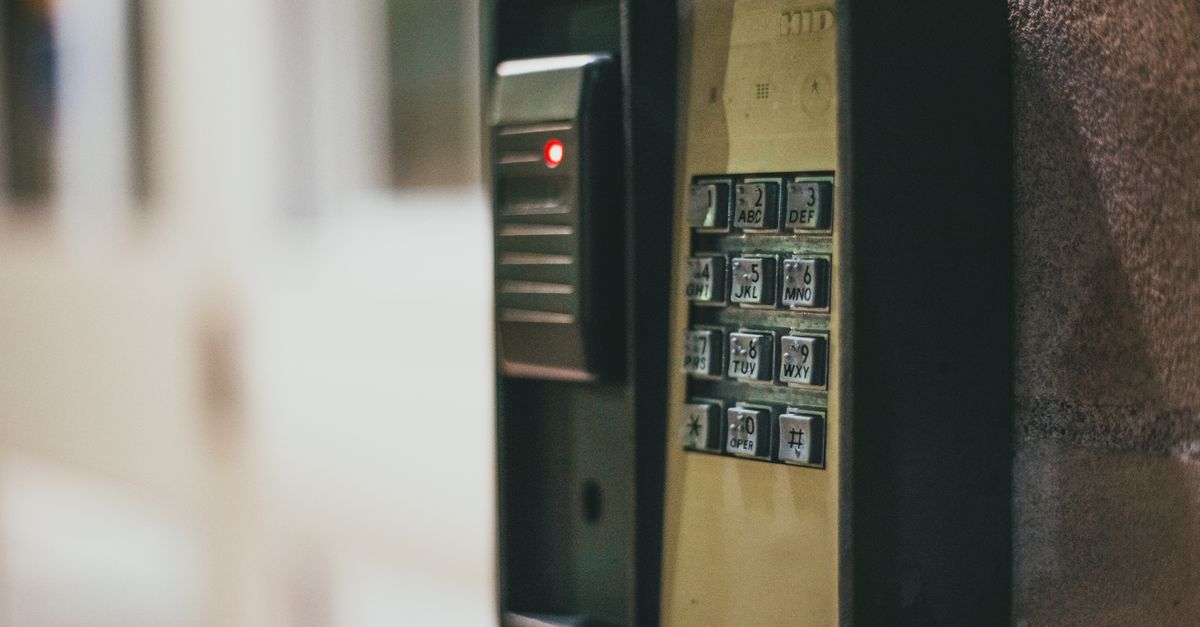
A house has a handful of doors and a family that knows the routine. A business has entrances, back-of-house doors, stockrooms, offices, delivery bays and a rotating cast of employees, vendors and cleaning crews — and every one of those doors is a potential point of failure. Commercial hardware is engineered for that reality, which is why a storefront in Downtown Flushing typically runs on mortise locks and panic hardware rather than the residential deadbolts you would find in a Bayside two-family home. When we assess a commercial site, we are not just looking at whether a lock works today; we are looking at how many cycles it sees a day, whether it meets egress codes, and how quickly it can be secured if a key goes missing.
Downtime is the other big difference. If a homeowner is locked out, it is an inconvenience; if a restaurant on Roosevelt Avenue can't open its front door during the lunch rush, it is lost revenue by the hour. Our mobile emergency locksmith crews are staged around Queens specifically so a commercial call gets a fast local response — we come to you rather than asking you to bring hardware to a shop. Where the situation allows, we prioritize damage-free entry so you are not paying to repair a door on top of getting back inside.
Commercial work also carries liability that residential jobs rarely do. A blocked or improperly installed exit device can turn a fire into a tragedy and expose an owner to serious penalties, so our approach to any storefront or office is to make it both secure against intruders and safe for the people inside. That balance — locked out, but never locked in — sits at the center of everything we install.