Car Key Replacement by Make and Model — Why One Size Never Fits All
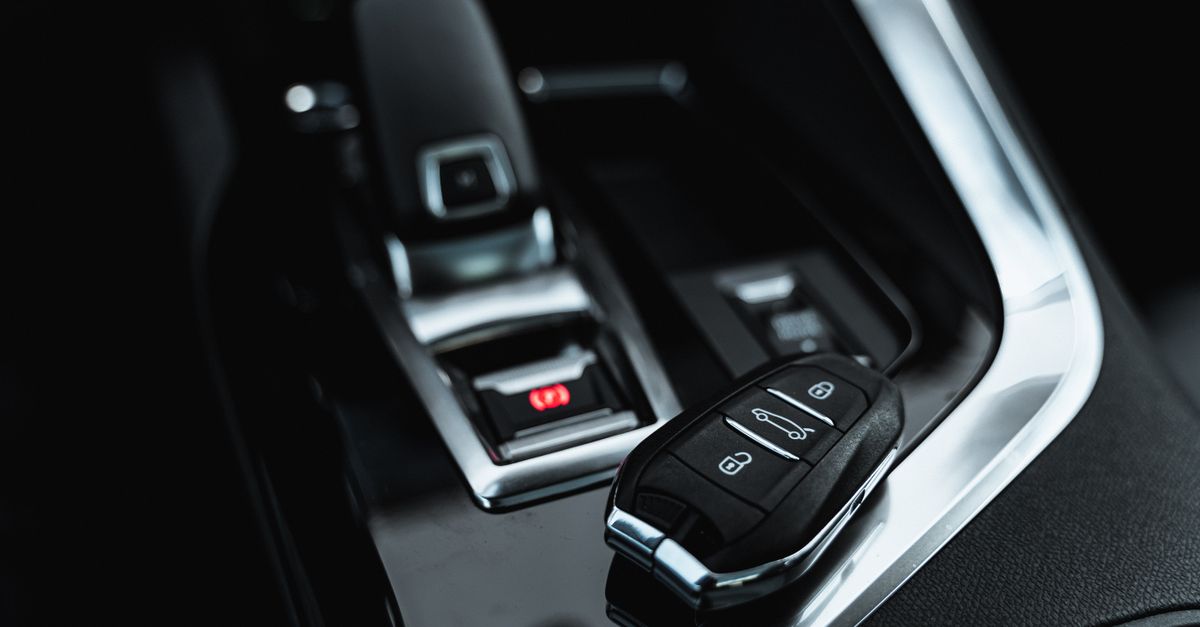
Every automaker engineers its anti-theft system differently, which is why the process for cutting and programming replacement car keys varies dramatically from one vehicle to the next. A Ford F-150 using the PATS (Passive Anti-Theft System) requires a specific relearn procedure that differs from the all-keys-lost sequence on a Hyundai Sonata or the proximity-key enrollment on a Lexus RX. Our technicians study these platform differences and carry the corresponding software tokens and key blanks for hundreds of configurations. When you call (347) 212-1080, we ask for the year, make, model, and VIN so we arrive with the correct blank and the correct protocol — cutting the wait time to an absolute minimum.
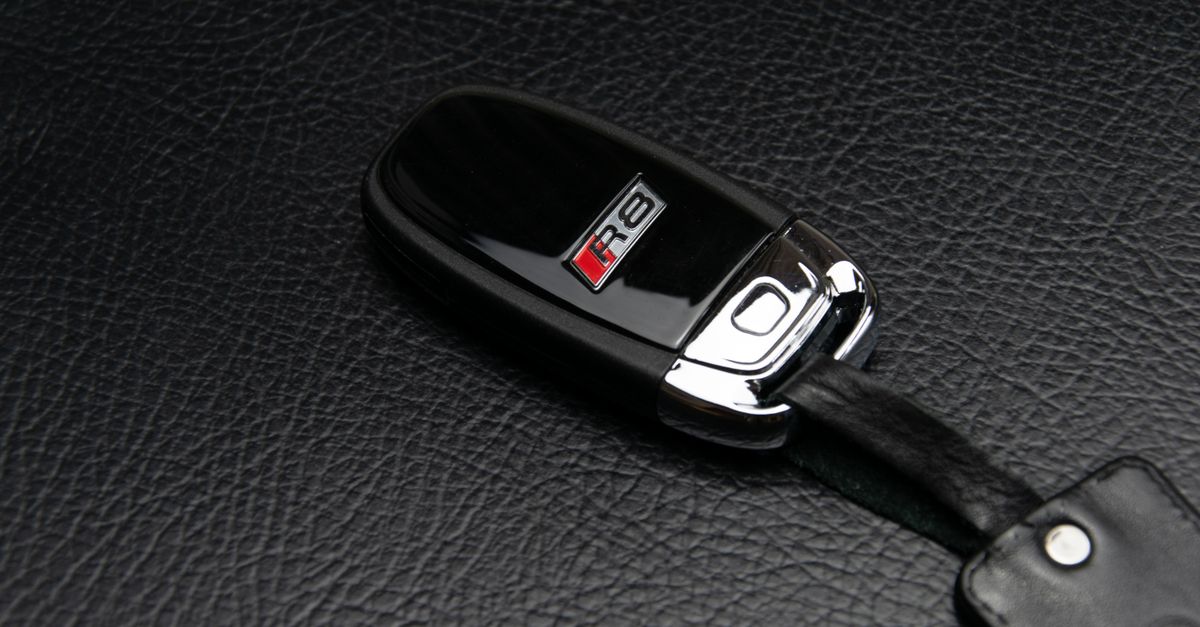
For drivers of luxury and European vehicles — BMW, Mercedes-Benz, Audi, Volkswagen — the programming process is especially involved because these platforms use encrypted key tokens that must be written in a specific sequence tied to the vehicle's security gateway module. Our mobile units are equipped with the dealer-level diagnostic interfaces required to complete that sequence without damaging the vehicle's electronics. Queens drivers who own Japanese domestic market imports or grey-market vehicles in neighborhoods like Flushing and Woodside will find that we are familiar with the VIN-range quirks those vehicles sometimes present, including region-specific immobilizer variants that generic key machines cannot address.